

Pad Thai gets ordered more than any other Thai dish, but half the people making it at home end up with disappointing results. The noodles clump together, the sauce tastes off, or everything just falls apart in the pan.
Our pad thai recipe is actually pretty forgiving once you understand what’s happening. Thai street vendors bang this out in three minutes flat, and they’re not using fancy equipment or secret ingredients. They just know the rhythm.
What You Need for This Recipe
Rice noodles come first. Get the flat ones, about as wide as fettuccine. Some packages say “pad thai noodles” right on them, which makes shopping easier. Avoid the super thin ones – they turn to mush.
Tamarind paste is where most people get stuck. It’s this thick, brown stuff that looks like chocolate but tastes sour. Asian grocery stores keep it on the shelves, usually in jars. Don’t bother with tamarind juice or concentrate – they’re too watery.
Fish sauce smells terrible in the bottle but transforms everything.
Palm sugar looks like little hockey pucks. Brown sugar works too, but palm sugar has this subtle molasses thing going on that regular sugar misses.
For protein, shrimp works great because it cooks fast. Chicken takes longer but still works. Tofu if you don’t eat meat.
Bean sprouts, scallions, garlic, shallots, eggs, peanuts, lime. Pretty standard stuff.
| What | How Much | Why |
| Rice noodles | 8 oz | Base of everything |
| Tamarind paste | 3 tablespoons | Sour flavor that matters |
| Fish sauce | 3 tablespoons | Salt and umami |
| Palm sugar | 3 tablespoons | Sweetness that isn’t cloying |
| Shrimp | 1/2 pound | Protein that cooks quickly |
The tamarind makes the biggest difference. Without it, you’re basically making sweet noodles.
The Preparation
Soak your noodles in warm water. They’re ready when they bend without snapping but still have some bite. Takes maybe 30 minutes, depending on the brand.
Make your sauce while the noodles soak. Fish sauce, tamarind paste, palm sugar, and a tiny bit of rice vinegar. Mix it up and taste – it should hit salty, sweet, and sour all at once. Adjust if it’s off.
Prep everything else. Mince garlic and shallots small. Clean bean sprouts. Cut scallions into pieces. Peel shrimp. Beat eggs.
This pad thai recipe happens fast once you start cooking. Having everything ready keeps you from panicking when the pan gets hot.
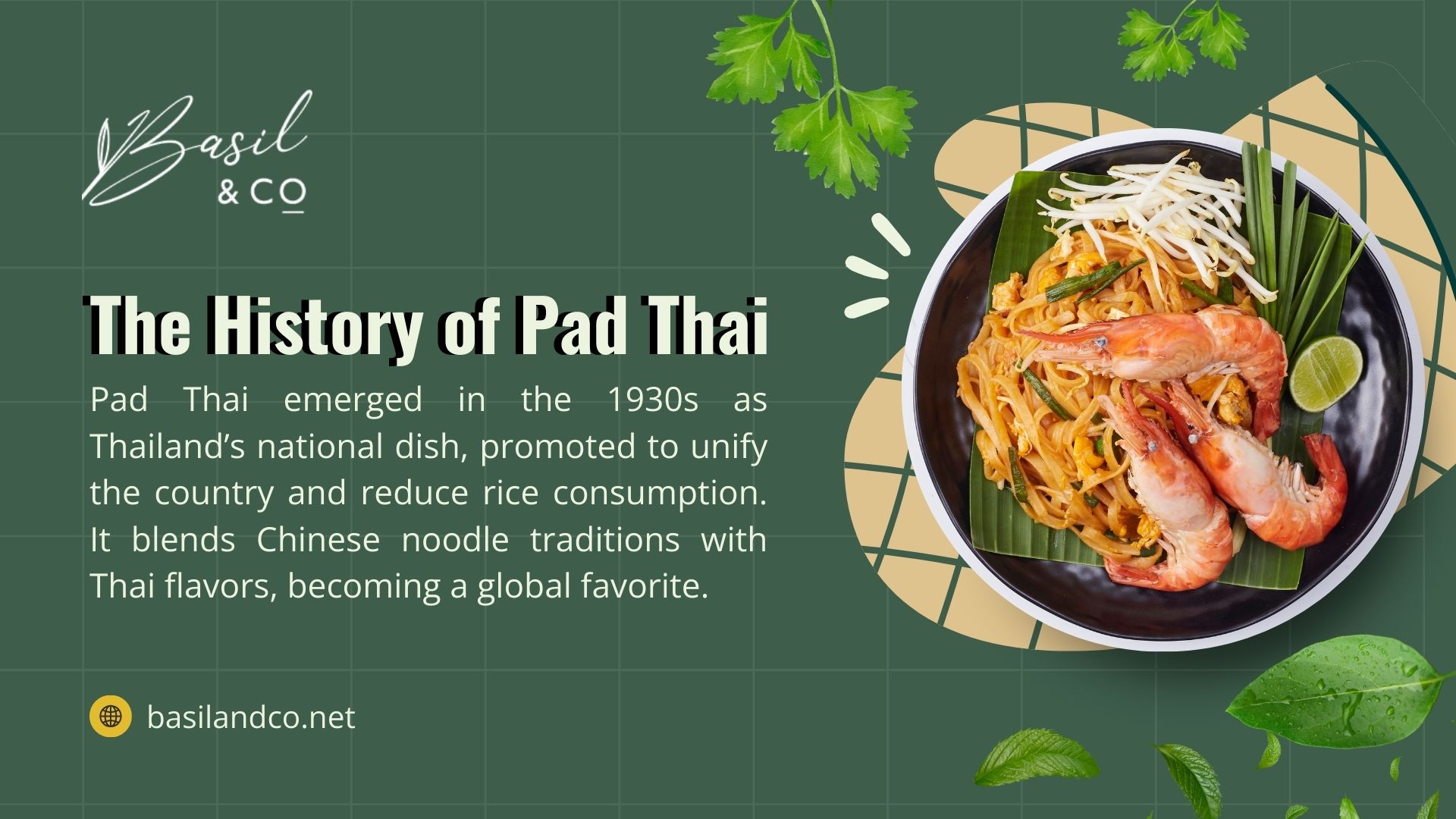
The Cooking Part
Get your pan really hot. Wok if you have one, biggest skillet if you don’t. When oil goes in, it should shimmer right away.
Garlic and shallots first. They’ll smell amazing immediately. After 30 seconds, add shrimp. Don’t move them around too much – let them get some color.
Push everything to one side. Pour eggs into the empty space. Let them sit for maybe 10 seconds, then scramble them into big chunks. Mix with the shrimp.
Drain noodles and add them to the pan. Pour sauce over everything. Now comes the tricky part – keep stirring constantly with tongs or chopsticks. The noodles will look dry at first, then start soaking up the sauce.
After a couple of minutes, add bean sprouts and scallions. Stir for another minute until the vegetables warm up but stay crunchy.
Making It Taste Right
Taste before you serve. This is where you fix problems.
- Too sweet? More fish sauce.
- Too salty? A bit more sugar.
- Need more punch? Extra tamarind.
Good pad thai recipe execution means everything balances out. No single flavor should smack you in the face. Traditional pad thai isn’t spicy, but chili flakes work if you want heat.
Serving It
Get it on plates while it’s hot. Top with crushed peanuts, extra bean sprouts, lime wedges, and chili flakes on the side.
That lime squeeze changes everything. Seriously. The acid makes all the other flavors jump out.
What Goes Wrong
The most common mistakes that happen are:
- Mushy noodles – soaked too long or cooked too much.
- Tastes bland – not enough fish sauce or tamarind.
- Clumpy mess – pan wasn’t hot enough, or you didn’t stir enough.
- Too sweet – heavy hand with the sugar, not enough sour to balance.
- Most people don’t get their pan hot enough. Pad Thai needs aggressive heat to work right.
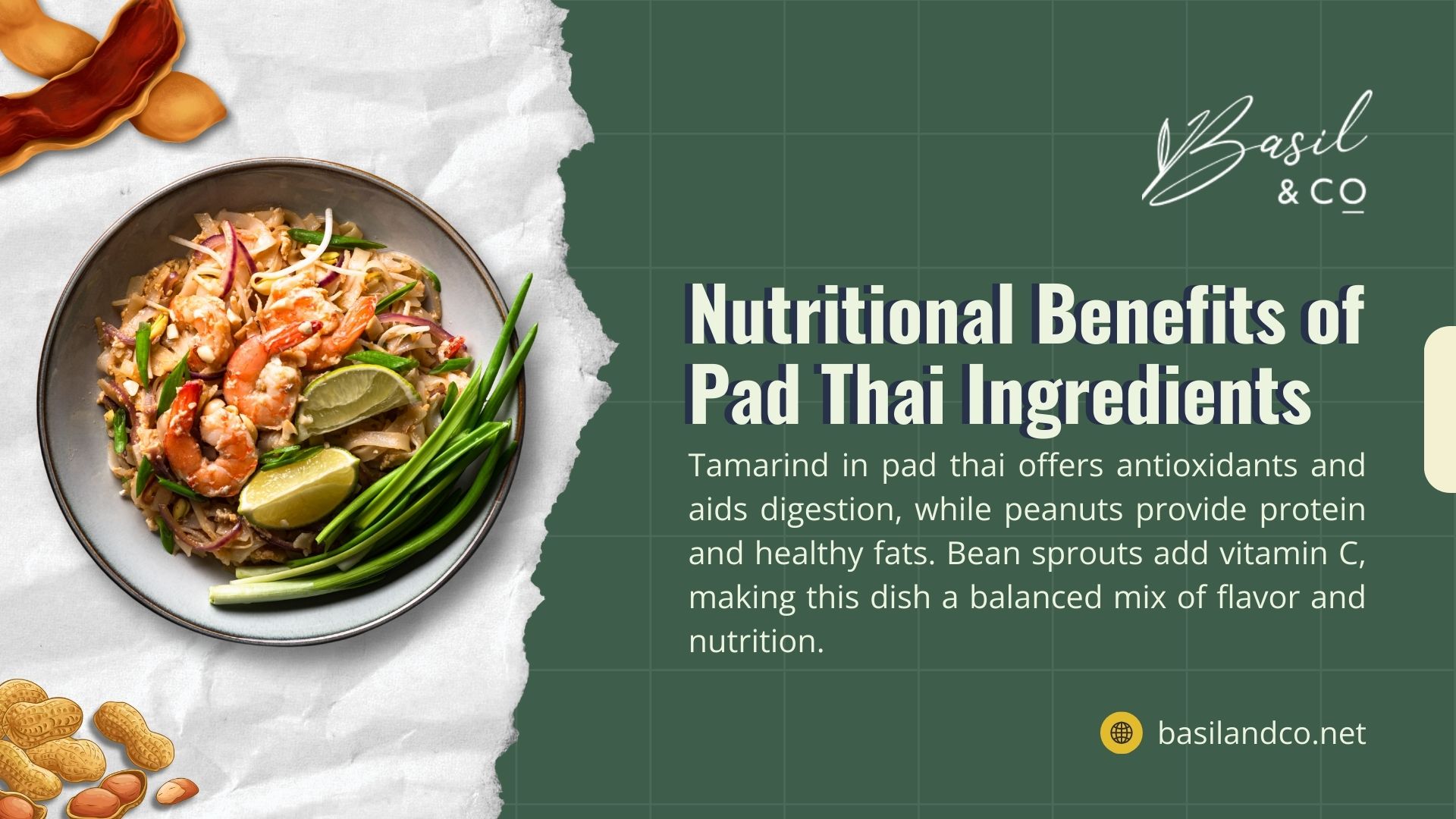
Different Ways
Vegetarians can swap soy sauce instead of fish sauce. Tastes different but still good. Some places in Thailand add Chinese broccoli or carrots. Different regions do different things. This version matches what you’d get from a decent street cart in Bangkok.
Thai food is all about balance. Sweet fights sour, soft fights crunchy, mild fights spicy. Once you get that concept, making other Thai dishes starts making sense.
Check out some of our best Thai dishes to see how this balance thing works in other recipes. Tom yum soup, green curry, and som tam – they all follow the same rules.
Random Tips
Here are some random tips that might help you while cooking:
- Room temperature eggs work better than cold ones.
- Crush your own peanuts instead of buying pre-crushed.
- Don’t make extra thinking you’ll have leftovers. Pad Thai doesn’t reheat well.
- If your local Asian market doesn’t have tamarind paste, order online. The flavor difference is worth waiting for.
- Thai street vendors make this in under five minutes total. Speed and high heat create the best texture.
- Good pad thai should make you want another bite before you’ve finished chewing the first one.
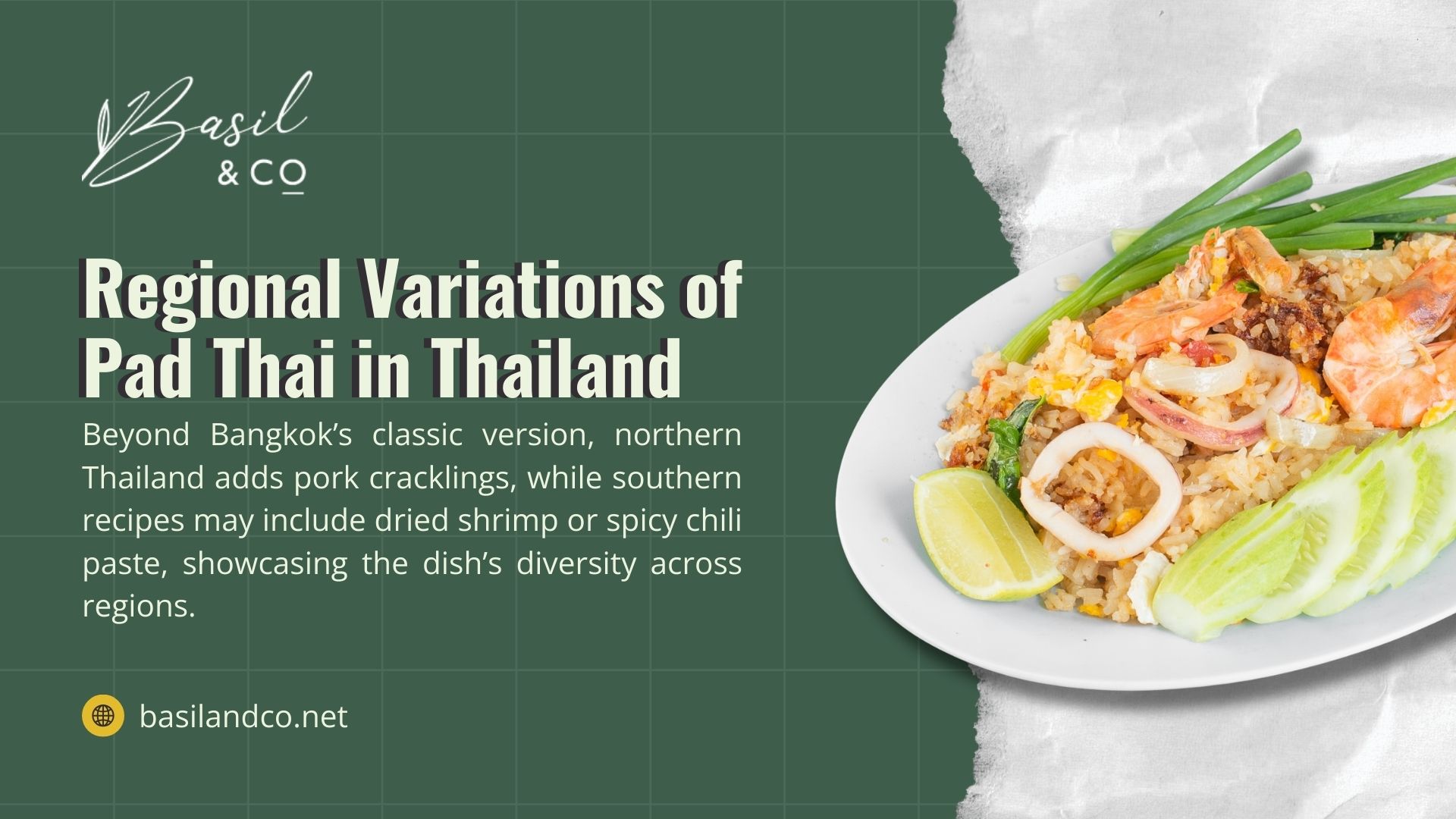
Want to Try Thai Food without Cooking It By Yourself?
Getting this pad thai recipe right feels good, but it’s just the start. Basil & Co has plenty of Thai dishes that you can taste any day.
Sometimes you want authentic Thai flavors without spending an hour in the kitchen hunting down tamarind paste and getting your wok smoking hot. That’s why going to a restaurant is so much better than cooking it at home.
Our menu goes way beyond pad thai, featuring dishes that showcase the full range of Thai cooking – from fiery som tam salads to rich coconut curries that take hours to develop properly.
Our kitchen uses traditional techniques and authentic ingredients, so you get those complex flavor balances that make Thai food so addictive.
You May Also Like These:

