

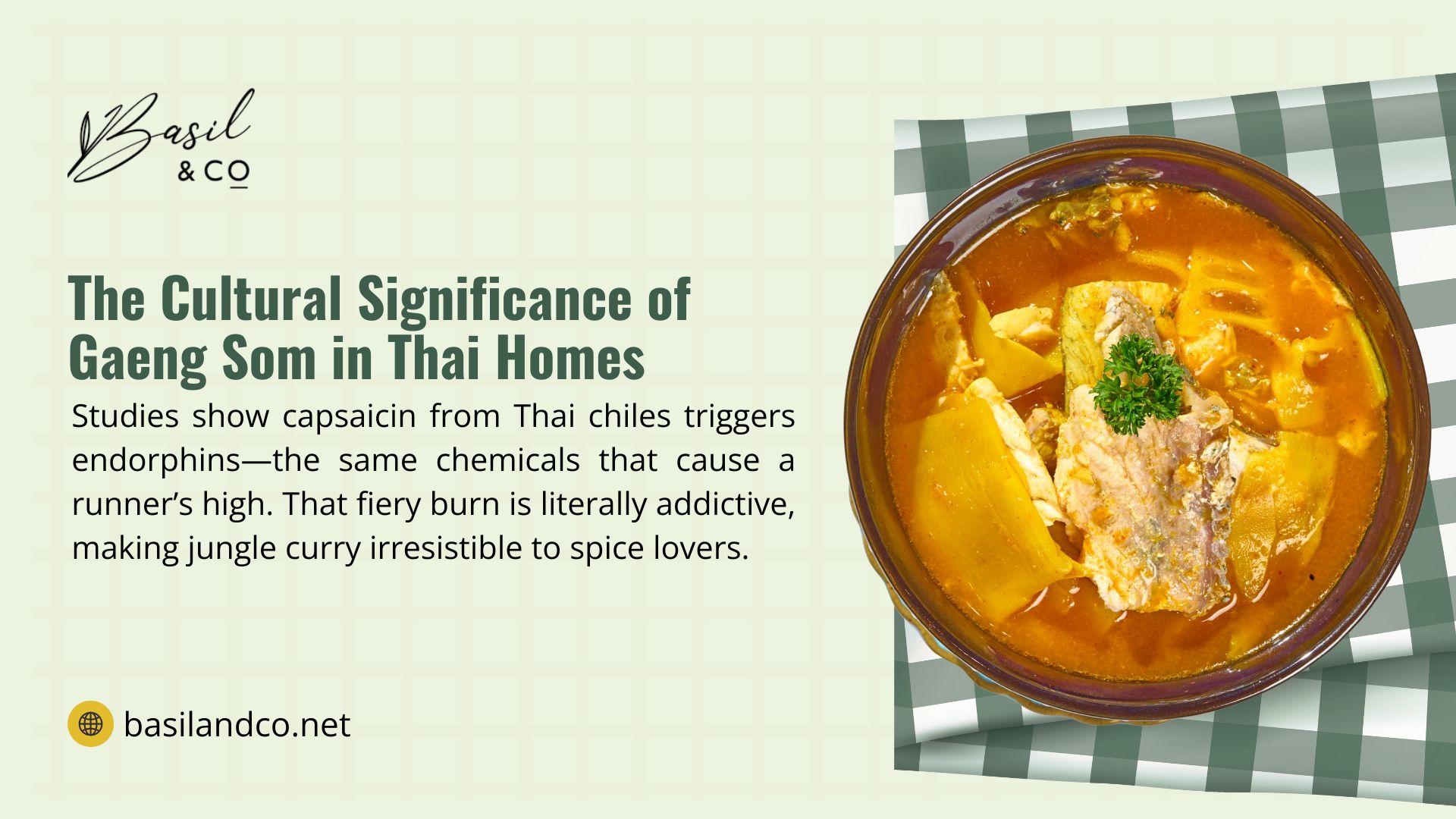
Walk into any Thai home during dinner time and chances are pretty good someone’s cooking Gaeng Som. This sour orange curry is everywhere in Thailand, and it’s one of those dishes families make multiple times a week.
The name breaks down simply: “gaeng” means curry, “som” means both sour and orange in Thai. That orange-reddish color comes from dried red chilies in the paste. No actual oranges go anywhere near this dish.
According to food surveys in Thailand, sour curry consistently ranks in the top 5 home-cooked dishes across all regions, yet it’s mysteriously absent from most restaurant menus abroad.
Central Thai Style vs Southern Thai Style
Most people outside Thailand don’t realize there are completely different versions of this dish depending on where you are. The sour orange curry recipe here is Central Thai style – that’s what they make in Bangkok and surrounding provinces.
Central Thai Gaeng Som gets thickened slightly by pounding cooked fish directly into the curry paste. Tamarind does all the souring work. The paste itself stays simple – just dried chilies, shallots, shrimp paste, galangal, and salt.
Down south, they add turmeric to the paste, which makes everything yellower. That’s why in Bangkok they call the southern version “Gaeng Lueang” (yellow curry) to avoid mixing them up. Southern cooks also use multiple souring agents – tamarind, lime juice, and sometimes a sour fruit called asam. The southern version burns hotter too.
Both styles skip coconut milk entirely. That’s the whole point. This is meant to be light, sharp, refreshing – the opposite of thick, creamy curries like Massaman or Panang.
What Goes Into Sour Orange Curry
Curry Paste Ingredients
| What You Need | How Much | Quick Notes |
| Dried red chilies | 5-7 pieces | Soak first, squeeze dry |
| Red shallots | 3 tablespoons chopped | Sweeter than yellow onions |
| Galangal | 1 tablespoon chopped | Looks like ginger but tastes different |
| Shrimp paste | 2 tablespoons | Smells strong, tastes amazing |
| Salt | 1 teaspoon | Helps break everything down |
| White fish fillet | 100g, optional | Central Thai traditional method |
For the Broth
| Ingredient | Amount | What It Does |
| Fish stock or water | 4 cups | Base liquid |
| Tamarind paste | 3-4 tablespoons | Main sour flavor |
| Palm sugar | 1-2 tablespoons | Balances acid |
| Fish sauce | 2-3 tablespoons | Salt and umami |
| Salt | As needed | Adjust at end |
Proteins and Vegetables
Traditional options work best:
- Proteins: White fish like snapper or cod, prawns, squid – pick one or mix them
- Vegetables: Long beans cut in pieces, Chinese cabbage chopped rough, daikon radish sliced thin, cauliflower florets, green papaya strips
- To finish: Roasted dried chilies, cilantro, lime wedges
Need more ideas? Browse Thai chicken dishes or check Thai vegetable dishes for meatless versions.
Making the Curry Paste
The paste holds all the flavor. Mess this up and the whole dish suffers. Prep the chilies first. Snap off stems, shake out seeds (they’re bitter), toss them in warm salted water for 15-20 minutes until soft. Drain them well and squeeze out the water with your hands.
The traditional method uses a mortar and pestle. Start with galangal and salt – pound it until it’s smashed and fibrous. Add chilies gradually, few at a time, grinding them into the galangal. This takes arm strength and patience. Once chilies are mostly smooth, add shallots and keep pounding. Shrimp paste goes in last to bind everything.
Blender works too if you don’t have a mortar. Throw everything in and blend until smooth. Might need a splash of water to get it moving. For Central Thai style, poach that fish fillet separately in simmering water, about 5 minutes until it flakes. Cool it down, break it up with your hands, then pound or blend it into the finished paste. This thickens the curry and adds depth.
Cooking the Curry
Actual cooking happens fast once the paste is ready.
Get your stock boiling in a pot. Drop it to a simmer and dissolve 2-3 tablespoons of curry paste into it. Stir it around – the stock turns this beautiful orange-red and starts smelling incredible.
Season it now. Tamarind paste, palm sugar, fish sauce, pinch of salt. Taste it. This part matters, it needs to taste predominantly sour, then salty, with sweetness barely noticeable. Not balanced evenly – sour should dominate. Add more tamarind for sourness, more fish sauce for salt, more sugar if it’s too harsh. Keep tasting and adjusting.
Vegetables go in by cooking time. Hard stuff like daikon and cauliflower first – simmer for 5-6 minutes. Medium vegetables like long beans and cabbage next, cook for 3-4 minutes. Tender greens last 1-2 minutes max.
Add protein at the end. Prawns need 2-3 minutes, they’ll turn pink and curl. Fish fillets are delicate – barely simmer them for 3-4 minutes and don’t stir aggressively or they fall apart. Squid cooks in 1-2 minutes, any longer and it gets rubbery.
Pull it off heat and taste again. Some people add fresh lime juice here for extra brightness. The curry should pucker your mouth from sour while maintaining that layered flavor.
Serving Suggestions
Serve with steamed jasmine rice – not optional. The rice absorbs that tangy broth and mellows everything out. Some families serve it alongside Pad Thai or other Thai noodle dishes for variety.
Put out garnishes so people can adjust their bowls:
- Dry-roasted dried chilies for extra heat
- Fresh cilantro for herbal notes
- Lime wedges for more acid
- Sliced fresh chilies for spice lovers
Making It Your Own
This sour orange curry recipe naturally fits different diets. No dairy, lighter than coconut curries – around 200-250 calories per bowl with fish and vegetables.
If you’re vegetarian, use vegetable stock, swap shrimp paste for fermented soybean paste or extra salt, add firm tofu or mushrooms for protein. It works great with just vegetables too.
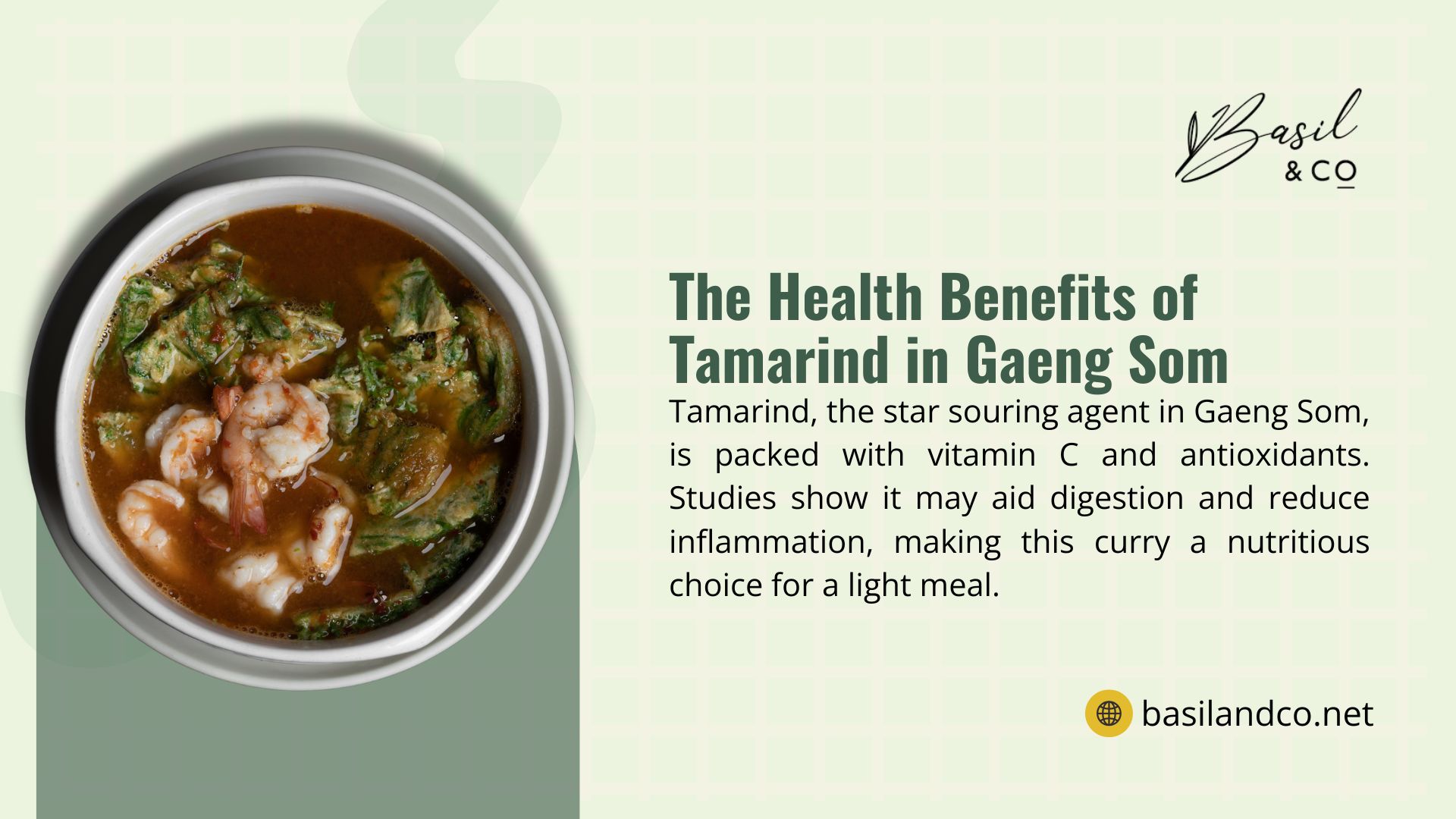
Watching sodium? Cut back fish sauce, use more lime juice or tamarind for flavor instead. Still get vitamin C from tamarind and vegetables plus protein from seafood.
Full Recipe
Prep: 30 minutes
Cook: 20 minutes
Serves: 4 people
What You Need
Paste:
- 6 dried red chilies, soaked
- 3 tablespoons chopped shallots
- 1 tablespoon chopped galangal
- 2 tablespoons shrimp paste
- 1 teaspoon salt
- 100g white fish, optional
Curry:
- 4 cups stock
- 3-4 tablespoons tamarind paste
- 2 tablespoons palm sugar
- 2-3 tablespoons fish sauce
- Salt to taste
Main ingredients:
- 300g prawns or fish
- 1 cup long beans, cut up
- 1 cup Chinese cabbage, chopped
- 1/2 cup daikon, sliced
- Garnishes and rice
How to Make It
- Make paste – pound or blend everything smooth. If using fish, poach it first then mix in.
- Boil stock, reduce to simmer, dissolve in 2-3 tablespoons paste.
- Add tamarind, palm sugar, fish sauce, and salt. Taste it, it should be sour first.
- Add vegetables by cooking time. Hard vegetables first (5-6 min), medium next (3-4 min).
- Add protein, cook gently until done (2-4 min).
- Remove from heat, taste, add lime juice if wanted.
- Serve with rice and garnishes.
Get Authentic Thai Food Delivered
Making sour orange curry at home takes time and specific ingredients. Sometimes it is easier to order from people who know what they’re doing.
Basil & Co makes traditional Gaeng Som using proper technique and fresh ingredients. The chefs know how to balance those sour-salty-sweet-spicy flavors the way Thai families expect.
Beyond sour curry, the menu covers regional Thai dishes rarely found at typical takeout places.
Delivering to Brea, West Covina, Pomona, Chino Hills, Walnut, and Rowland Heights.
Order from Basil & Co – get real Thai dishes, delivered to your door.

