

Most people grab curry paste off supermarket shelves without giving it a second thought. Big mistake. That jar sitting there for months can’t compete with fresh paste made the old way. Thai cooks have perfected this Thai green curry paste recipe over centuries, and there’s no substitute for doing it right.
“Krueang gaeng keow wan” – that’s what locals call it. Every family has their own version, passed down through generations. Some add extra chilies. Others go heavy on the galangal. The beauty lies in these small differences that make each batch unique.
Fresh ingredients make all the difference here. Dried spices from the back of the pantry won’t cut it. Neither will that tube of garlic paste or pre-chopped ginger from the store. Thai cooking demands respect, and that means starting with proper ingredients.
What Goes Into a Thai Green Curry Paste Recipe
| Ingredient | Amount | Notes |
| Thai green chilies | 15-20 pieces | Bird’s eye variety preferred |
| Lemongrass | 3 stalks | White parts only, tough outer layers removed |
| Galangal root | 2-inch piece | Fresh, not powdered |
| Kaffir lime zest | From 2 limes | Avoid the bitter white pith |
| Shallots | 4 medium Thai ones | Regular shallots work if needed |
| Garlic | 8-10 cloves | Fresh, no substitutes |
| Cilantro roots | 6-8 pieces | Often discarded but essential here |
| White peppercorns | 1 teaspoon | Black works, but white is traditional |
| Coriander seeds | 2 teaspoons | Whole seeds, not ground |
| Shrimp paste | 1 teaspoon | Smells awful, tastes incredible |
| Salt | 1 teaspoon | Coarse sea salt preferred |
Finding proper ingredients sometimes takes effort. Asian markets stock the real stuff – those tiny Thai chilies that pack serious heat, actual galangal root instead of ginger, and fresh lemongrass stalks. Regular supermarkets often fall short on authenticity.
Cilantro roots are often discarded in most kitchens, but they’re a valuable addition to this Thai green curry paste recipe. The roots carry more concentrated flavor than leaves or stems. Ask at farmers markets – vendors often leave them on if requested.
Traditional Method for Thai Green Curry Paste Recipe
Prep Work
Start by toasting coriander seeds and peppercorns in a dry pan. Medium heat, maybe 3 minutes until they smell nutty and warm. This ancient trick releases oils that make the difference between good paste and great paste.
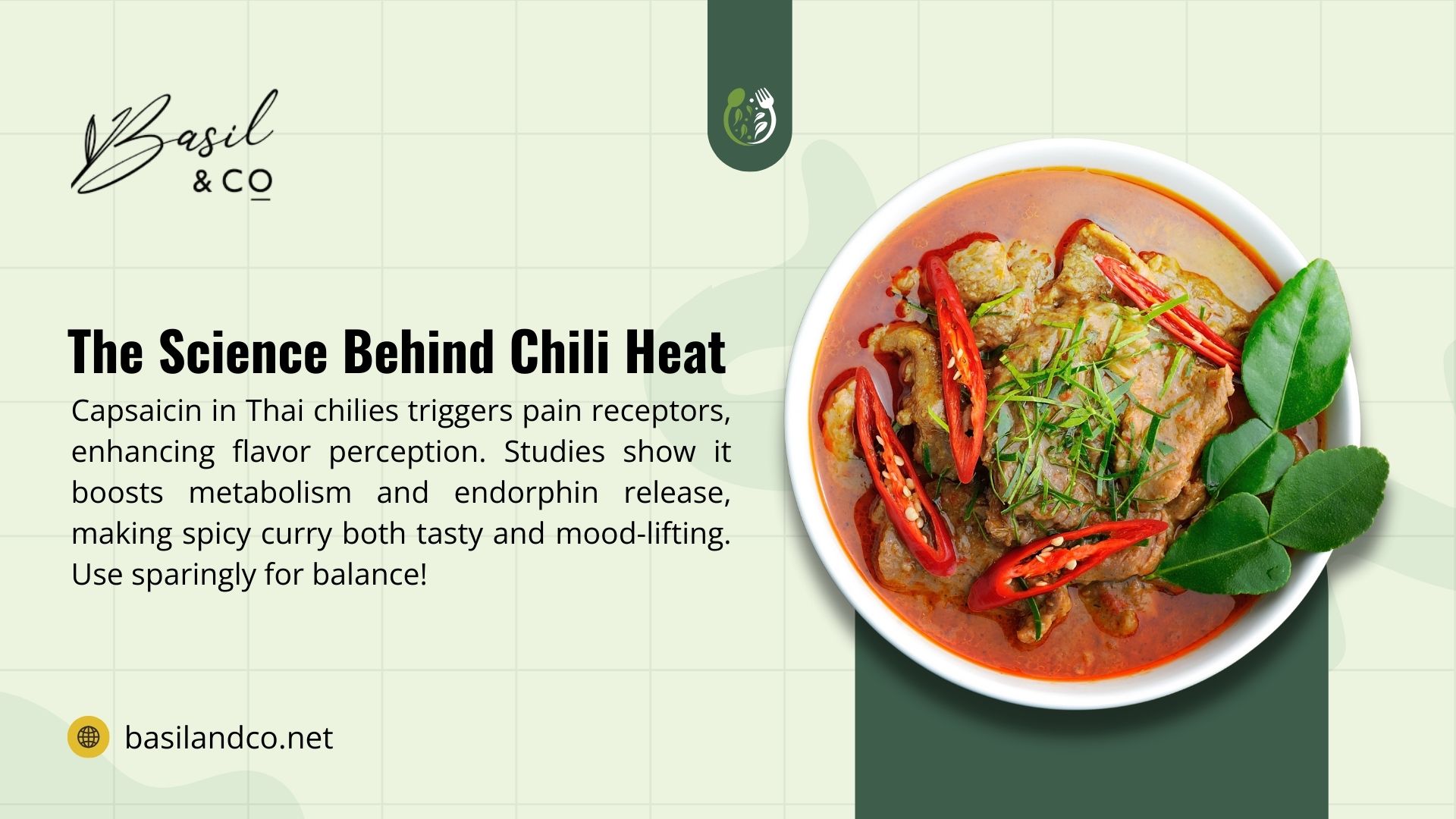
Thai chilies are small but vicious. Remove stems but keep seeds unless heat tolerance runs low. These aren’t jalapeños – they mean business. Wear gloves or suffer the consequences later.
Lemongrass stalks hide tender hearts inside tough outer shells. Peel away layers until reaching the pale, soft center. Only this part goes in the paste. The rest makes great tea but ruins the texture here.
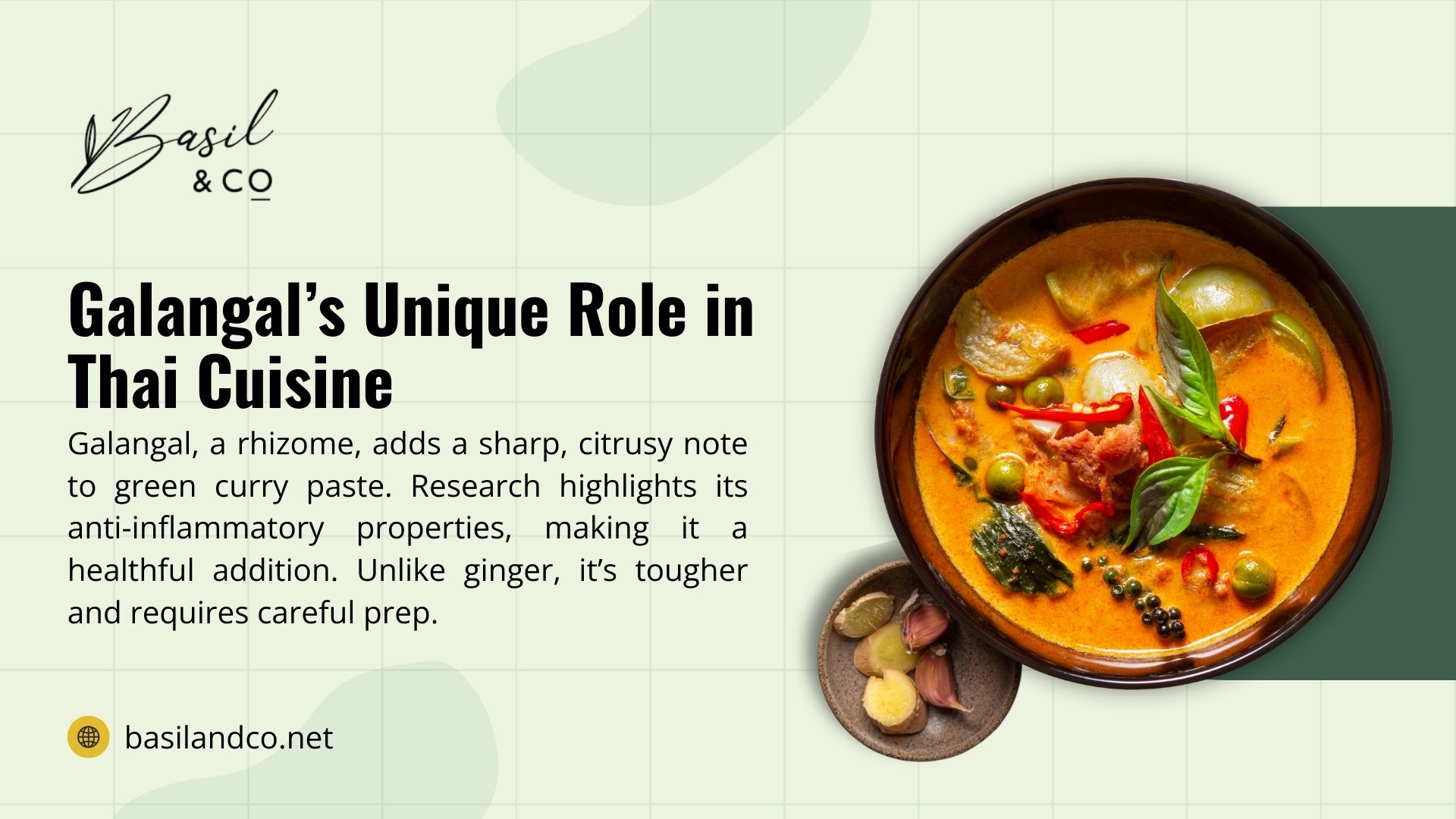
Galangal looks like ginger’s weird cousin. Spoon edge scrapes the skin right off. Slice thin – this root fights back against grinding and needs all the help it can get.
Mortar and Pestle Work
Big granite mortar and pestle works best – those tiny ones from gift shops won’t handle this job. Thai cooks swear by the traditional method, and modern shortcuts miss something essential.
Salt goes in first with the toasted spices. Grinding motion breaks everything down while salt acts like sandpaper. Keep at it until they form a rough powder.
Chilies come next. Pound them into submission until they release their oils. The paste won’t be smooth yet – that’s fine. Just break them down enough to release heat and color.
Now the tough stuff – galangal, lemongrass, lime zest. These ingredients fight back. Real work happens here. Arms will get tired. The kitchen will smell incredible. This is where store-bought paste fails – machines can’t replicate the slow breakdown that develops complex flavors.
Add softer ingredients – shallots, garlic, cilantro roots. Paste starts coming together now. Scrape sides occasionally and keep grinding. The mixture becomes more uniform but keeps some texture.
Shrimp paste goes in last. Smells like low tide but adds that umami depth that makes the Thai green curry past
e recipe so addictive. Work it in thoroughly.
Getting It Right
Final paste should be thick, fragrant, and mostly smooth with visible herb flecks. Bright green color with darker spots throughout. Texture should coat a spoon but not be completely uniform. Those little pieces of herb and spice create bursts of flavor.
The food processor works as a backup if no proper mortar exists. Pulse mode only – continuous running makes mush. Add water sparingly if blades struggle. Too much liquid dilutes flavor.
Storage Secrets
Fresh paste keeps for a week in the fridge, tightly covered. Freezer storage works better for longer periods. Ice cube trays make perfect portions – one cube per curry serving usually works.
Real Thai green curry paste recipe improves after a day or two as flavors meld. Don’t use it immediately unless necessary. Patience pays off here.
Cooking With Homemade Paste
Always bloom the paste in hot oil first. This step activates flavors and creates the base for whatever comes next. Skip this, and flavors stay muted. Two to three tablespoons per serving works for most dishes, but adjust for heat preference.
The paste transforms simple ingredients into complex dishes. Try it in stir-fries for instant depth. Mix into fried rice for restaurant flavor. Marinate chicken or beef before grilling. Once this Thai green curry paste recipe is mastered, boring dinners become history.
Store-bought versions can’t compete with fresh paste complexity. The difference becomes obvious after tasting homemade. All those layers of flavor from proper grinding and fresh ingredients create something magical that machines can’t replicate.
Thai cooking revolves around balance – sweet, sour, salty, spicy, and umami. This paste brings several elements to the table, making it the foundation for countless best Thai dishes. Master this recipe, and a whole world of authentic Thai cooking opens up.
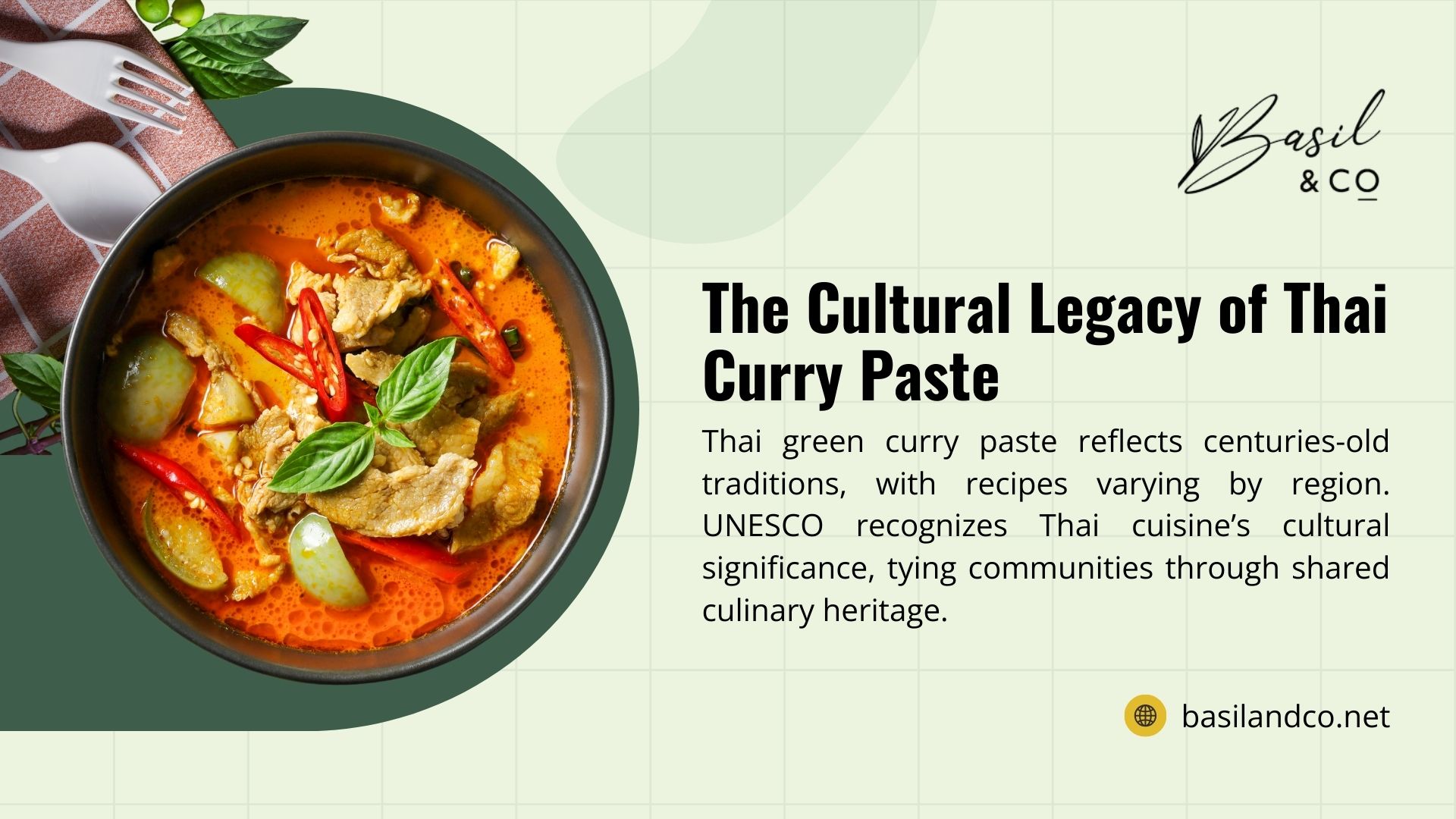
Craving Authentic Thai Flavors Without the Kitchen Marathon?
Making a Thai green curry paste recipe from scratch takes time and effort. Sometimes the craving hits when there’s no energy for grinding spices and hunting down galangal roots. That’s when finding a restaurant that makes its own paste becomes priceless.
Most Thai restaurants cut corners with pre-made paste, but the real gems still do things the traditional way. Fresh-ground paste, proper technique, authentic ingredients – the kind of place where every bite transports diners straight to Bangkok street food stalls.
Skip the supermarket curry tonight and experience what authentic Thai cuisine should taste like. Visit our restaurant to discover where passionate Thai chefs create the real deal using traditional methods and the freshest ingredients.
You May also Like these:

